
Healthy Lifestyle Guide 2026 | Beginner’s Step-by-Step Plan
Learn how to build a healthy lifestyle in 2026. Beginner-friendly guide covering nutrition, fitness, sleep, mental health, and lasting habits.
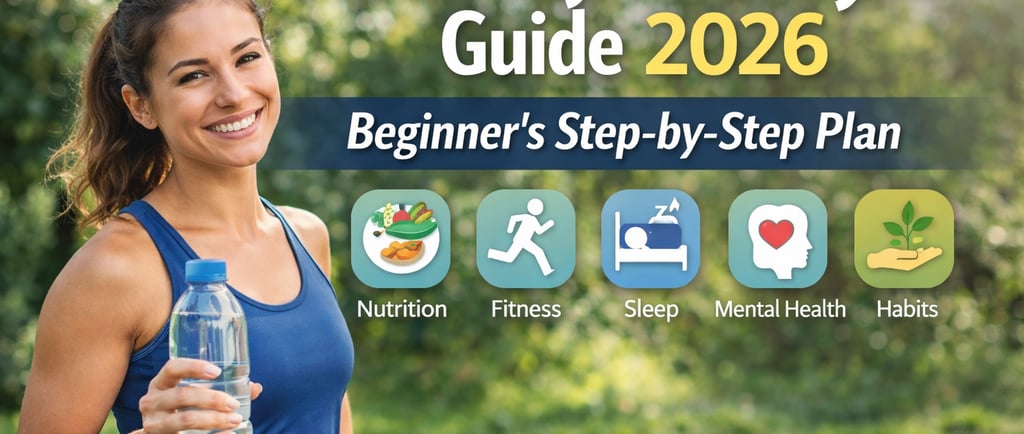
Living a healthy lifestyle in 2026 is about far more than quick diets or intense workout challenges. As science, technology, and daily routines evolve, health has become a holistic, long-term commitment that blends physical fitness, balanced nutrition, mental well-being, quality sleep, and sustainable habits.
If you’re a beginner, this guide is written to remove confusion and give you a clear, practical roadmap. Instead of overwhelming rules, you’ll learn how to build a healthy lifestyle step by step—one that actually fits into real life.
What a Healthy Lifestyle Means in 2026
In 2026, a healthy lifestyle is defined by balance and consistency, not extremes. It means nourishing your body with the right foods, staying active in ways you enjoy, managing stress effectively, and allowing enough rest and recovery.
Modern health experts agree that long-term success comes from habits you can maintain for years—not weeks. The focus has shifted from perfection to progress, encouraging people to improve gradually without guilt or burnout.
Nutrition for Beginners: Building a Strong Foundation
Nutrition remains the cornerstone of a healthy lifestyle in 2026. Instead of restrictive diets, the emphasis is on whole, nutrient-dense foods that support energy, metabolism, and overall health.
A beginner-friendly approach starts with filling your plate with fruits, vegetables, whole grains, lean proteins, and healthy fats. These foods provide essential vitamins, minerals, fiber, and protein that your body needs to function optimally.
Rather than eliminating your favorite foods, many experts recommend the 80/20 approach. This means eating nourishing meals most of the time while allowing room for flexibility. This mindset helps prevent cravings, emotional eating, and long-term diet failure.
Hydration also plays a major role. Drinking enough water supports digestion, improves focus, and helps regulate appetite. In 2026, hydration is recognized as one of the simplest yet most powerful health habits.
Fitness in 2026: How Beginners Should Start Exercising
Exercise in 2026 is no longer limited to gyms or heavy equipment. Fitness has become more accessible, flexible, and personalized—making it easier than ever for beginners to get started.
For someone new to exercise, the goal is to move regularly, not to train intensely. Walking, light jogging, cycling, yoga, and bodyweight exercises are excellent starting points. These activities build strength, improve heart health, and reduce stress without overwhelming the body.
A balanced weekly routine typically includes strength training to maintain muscle, cardio for heart health, and rest days for recovery. What matters most is choosing activities you enjoy, as enjoyment increases consistency and long-term adherence.
The Power of Daily Movement Beyond Workouts
One of the biggest health insights of recent years is that movement outside of workouts is just as important as structured exercise. In 2026, reducing sedentary behavior is a major focus.
Simple actions such as standing up regularly, stretching during work hours, walking after meals, and staying active throughout the day help improve circulation, blood sugar control, and metabolism. These small movements accumulate over time and significantly impact overall health.
Sleep: The Foundation of Physical and Mental Health
Sleep is now widely recognized as a non-negotiable pillar of health. Poor sleep affects hormones, weight management, immunity, mood, and cognitive performance.
In 2026, health professionals emphasize consistent sleep routines over occasional long rest. Going to bed and waking up at the same time each day helps regulate your internal clock. Reducing screen exposure before bedtime, creating a calm sleeping environment, and prioritizing 7–9 hours of sleep can dramatically improve both physical recovery and mental clarity.
Mental Health and Stress Management in Everyday Life
A truly healthy lifestyle in 2026 includes caring for your mental and emotional well-being. Chronic stress has been linked to weight gain, fatigue, poor sleep, and reduced immunity.
Simple stress-management practices such as deep breathing, mindfulness, journaling, spending time outdoors, and limiting digital overload can significantly improve quality of life. Even a few minutes of intentional relaxation each day helps reset the nervous system and improve focus and motivation.
Building Healthy Habits That Last
Sustainable health is built on small, repeatable habits, not drastic changes. In 2026, behavior science plays a key role in habit formation.
Starting with simple actions—like drinking water after waking up, adding vegetables to meals, or walking daily—creates momentum. As these habits become automatic, they form the foundation for more advanced lifestyle improvements.
Consistency, not intensity, is the true driver of transformation.
Common Beginner Mistakes and How to Avoid Them
Many beginners struggle because they attempt to change everything at once. Extreme diets, excessive workouts, and unrealistic expectations often lead to burnout.
In 2026, experts recommend a patient approach. Progress should be measured not only by physical changes but also by improved energy, mood, and daily performance. Comparing your journey to others can be discouraging—personal progress is what truly matters.
How Long Does It Take to See Results?
Results vary based on lifestyle, consistency, and starting point. However, most beginners notice improved energy, digestion, and sleep within the first few weeks.
Visible physical changes typically appear after one to three months of consistent habits. Long-term transformation is gradual, but it is also more sustainable and rewarding.
Technology and Health Trends in 2026
Technology continues to shape health and fitness in 2026. Wearable devices, fitness apps, and personalized wellness platforms help individuals track activity, sleep, and nutrition more accurately.
When used wisely, these tools provide motivation and accountability. However, they should support healthy habits—not replace intuition or self-awareness.
Final Thoughts: Progress Over Perfection
A healthy lifestyle in 2026 is not about being flawless. It is about showing up consistently, learning from setbacks, and making better choices over time.
Start where you are, focus on one habit at a time, and remember that every small step contributes to long-term well-being. The best time to begin is today.
© 2025. All rights reserved.